Machinery Maintenance Guide
Protect equipment performance, reduce avoidable downtime and support long-term reliability with a structured machinery maintenance approach. Learn about inspections, servicing, lubrication, mechanical care and preventive maintenance planning.
Discuss Equipment SupportWhy Proper Machinery Maintenance Matters
Machinery maintenance is essential to the safe, efficient and dependable operation of equipment across agricultural, construction, industrial and commercial environments. Regular inspections and planned servicing help identify developing problems, monitor component condition and reduce the likelihood of unexpected equipment failures. Whether you operate excavators, forklifts, mini tractors or specialist machinery, a maintenance programme should follow the manufacturer's recommendations and the actual demands placed on each machine.
What Is Machinery Maintenance?
Machinery maintenance refers to the inspections, servicing, adjustments, repairs and component replacements carried out to keep equipment in an appropriate operating condition.
It includes routine checks performed before operation, scheduled servicing at manufacturer-defined intervals and corrective work when defects or faults are identified.
Maintenance requirements vary according to machine type, operating hours, working environment, load conditions and manufacturer specifications.
A structured approach is particularly important for equipment used regularly in demanding environments, where dust, moisture, vibration, heavy loads and continuous operation can accelerate component wear.
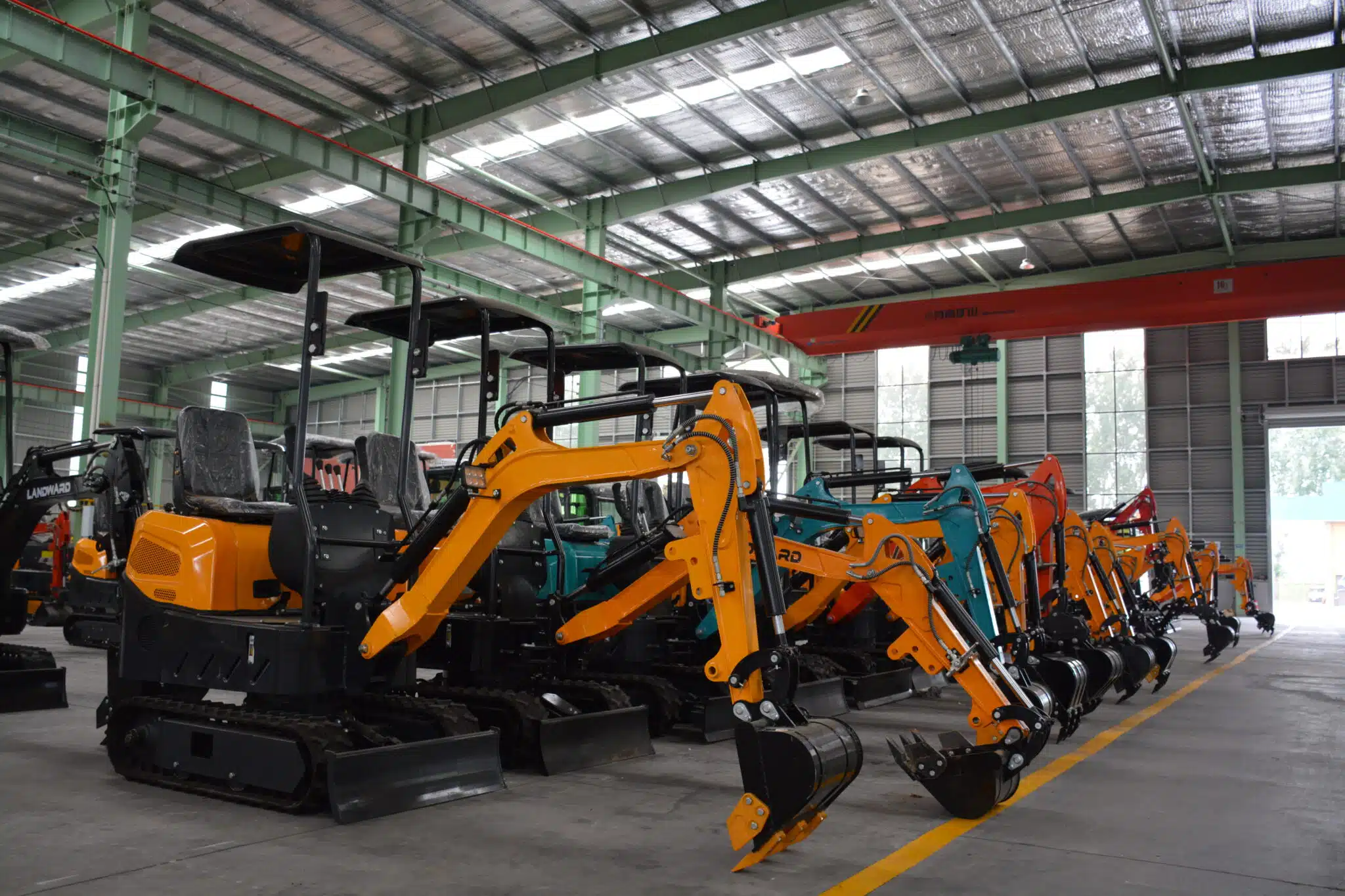
Main Types of Machinery Maintenance
Different maintenance approaches help equipment owners manage condition, servicing requirements and unexpected faults.
Preventive Maintenance
Planned inspections, servicing and component replacement carried out at defined intervals to reduce the risk of avoidable failures.
Routine Maintenance
Regular operational checks and basic care, including cleaning, fluid-level checks and visual inspections.
Corrective Maintenance
Repairs and adjustments performed after a defect or equipment problem has been identified.
Condition-Based Maintenance
Maintenance decisions informed by equipment condition, inspection findings, monitoring data or signs of deterioration.
Predictive Maintenance
Uses suitable monitoring methods and equipment data to identify potential failures before they occur.
Major Overhaul
Extensive inspection, rebuilding or replacement of major components when required by condition, usage or manufacturer guidance.
Daily Machinery Inspection Checklist
Pre-operation inspections help identify visible defects and potential safety concerns before machinery is used.
1. General Machine Condition
- Check for visible damage, cracks, loose components and unusual wear.
- Look for oil, fuel, coolant or hydraulic fluid leaks.
- Inspect guards, covers, access points and safety labels.
- Check that the working area is clear of obvious obstructions.
2. Fluids and Power Systems
- Check engine oil, coolant and other specified fluid levels.
- Inspect fuel lines and accessible connections where applicable.
- Review battery condition and electrical connections.
- Check for damaged hoses, belts and exposed wiring.
3. Tyres, Tracks and Undercarriage
- Inspect tyres for visible damage, wear and inflation issues where applicable.
- Check tracks, rollers, sprockets and undercarriage components.
- Look for loose, damaged or missing track components.
- Check for debris that may interfere with movement.
4. Controls and Safety Equipment
- Check steering, brakes and operating controls.
- Test warning indicators and safety systems according to the manual.
- Inspect mirrors, lights, alarms and visibility aids where fitted.
- Confirm that required guards and safety devices are in place.
5. Attachments and Working Components
- Inspect buckets, forks, blades, cutting systems and other fitted attachments.
- Check mounting points, pins, fasteners and connections.
- Look for cracks, deformation or excessive wear.
- Confirm that attachments are correctly fitted and approved for the machine.
Understanding Machinery Service Intervals
Maintenance intervals should be determined by the manufacturer's service schedule, operating hours and actual working conditions.
| Maintenance Stage | Typical Areas to Review | Important Consideration |
|---|---|---|
| Pre-operation checks | Visible condition, leaks, tyres, tracks, controls and safety systems. | Follow the machine's daily inspection procedure. |
| Routine servicing | Fluid levels, lubrication, filters and accessible components. | Use the manufacturer's specified intervals and products. |
| Scheduled servicing | Engine, hydraulic system, transmission and relevant wear components. | Use operating hours and calendar requirements where specified. |
| Condition inspections | Structural wear, fluid condition, vibration and component deterioration. | Increase inspection attention where operating conditions are demanding. |
| Major maintenance | Major mechanical components, overhaul requirements and replacements. | Determine work through manufacturer guidance and competent assessment. |
Important: Do Not Apply One Service Interval to Every Machine
Different equipment models have different maintenance requirements. Always consult the correct operator and maintenance manual. Dusty, wet, high-load or continuous-duty applications may require additional attention or shorter intervals where the manufacturer specifies them.
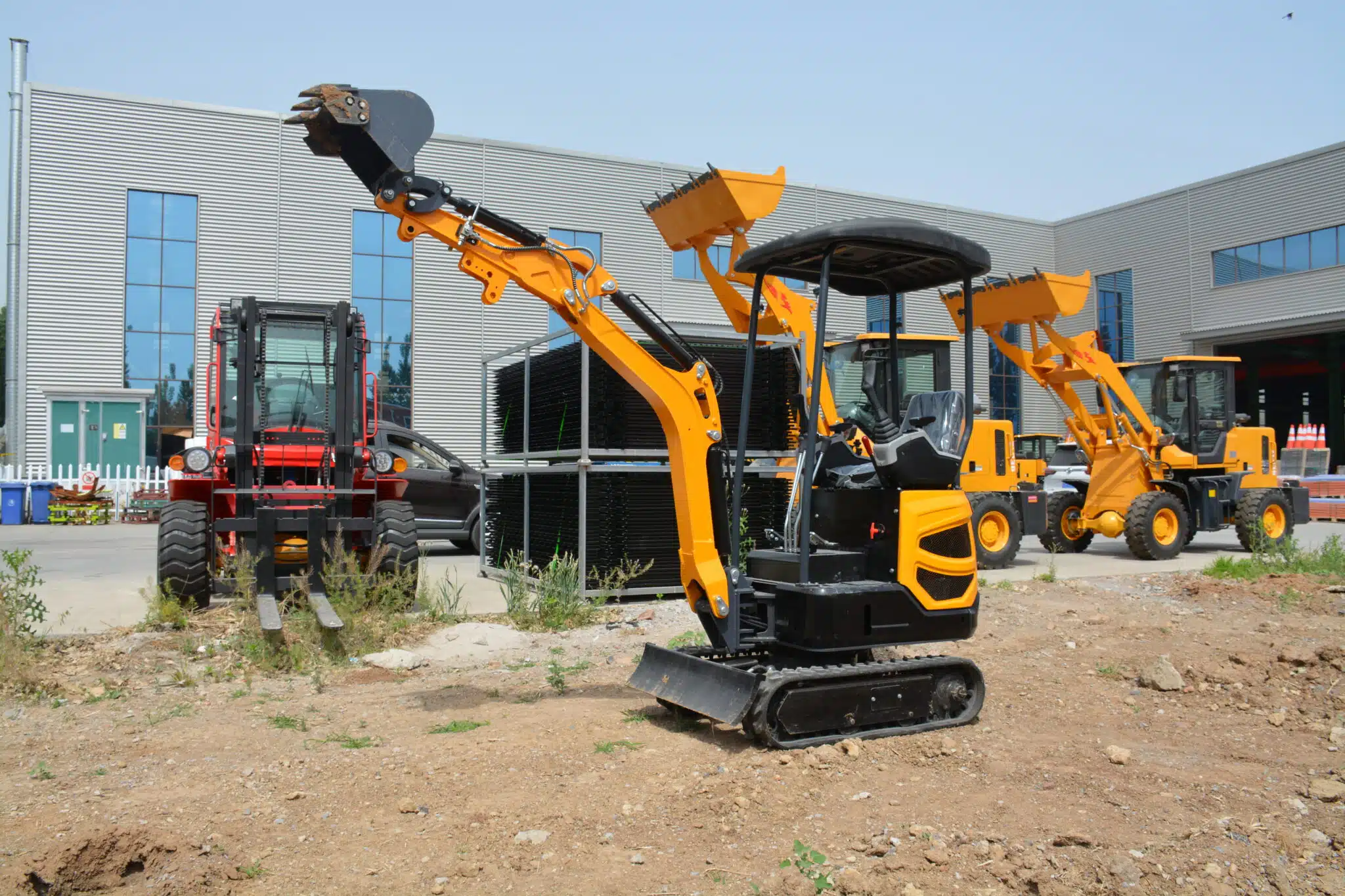
Engine Maintenance and Care
The engine is a major component of many construction, agricultural and industrial machines. Correct maintenance helps support reliable operation and protects components from premature wear.
- Follow the manufacturer's engine oil specification and replacement schedule.
- Inspect air filters and intake systems for contamination.
- Check cooling systems, coolant condition and radiator cleanliness.
- Inspect fuel filters, lines and connections.
- Look for unusual noise, vibration, smoke or changes in performance.
- Maintain accurate records of servicing and repairs.
Engine maintenance procedures differ by manufacturer and model. Refer to the relevant service manual before performing adjustments or replacements.
Maintaining Hydraulic Systems
Hydraulic systems power essential functions on many excavators, loaders, forklifts and other machinery.
Hydraulic Fluid
Use the fluid type specified by the manufacturer and maintain the correct level and service condition.
Hoses and Connections
Inspect for leaks, abrasion, cracking, damaged fittings and signs of deterioration.
Hydraulic Filters
Replace filters according to the specified service schedule and correct component requirements.
Cylinders and Seals
Look for fluid leakage, scoring, damage and abnormal movement around hydraulic cylinders.
Operating Performance
Pay attention to slow, irregular or unusually noisy hydraulic movements and investigate defects.
Contamination Control
Keep hydraulic service areas clean and follow correct procedures when opening or maintaining the system.
Hydraulic Safety Warning
Hydraulic systems can retain dangerous pressure even when machinery is switched off. Never use your hands to search for pressurised leaks. Follow the manufacturer's pressure-release and isolation procedures, and use qualified personnel for repairs.
Machinery Lubrication and Greasing
Correct lubrication reduces friction and helps protect moving components from unnecessary wear.
Grease Points
Lubricate specified pins, bushes, joints and other grease points according to the service manual.
Bearings
Use the correct lubrication method and interval for the fitted bearing type and operating conditions.
Pivot Connections
Inspect and lubricate relevant pivot points and moving joints to help manage wear.
Drive Components
Maintain specified lubrication levels for applicable transmission, axle and drive components.
Lubricant Selection
Use the specified grade and type of lubricant. Different components may require different products.
Clean Application
Clean grease points before lubrication to reduce the risk of introducing dirt and contamination.
Track, Tyre and Undercarriage Maintenance
Undercarriage components experience significant wear, particularly on tracked construction machinery operating in abrasive or demanding environments.
Routine inspection should cover:
- Track condition, tension and visible damage.
- Rollers, idlers and sprockets.
- Track shoes, links and connecting components.
- Tyre condition, pressure and damage where applicable.
- Accumulated mud, stones and other debris.
- Unusual noise or movement during operation.
Correct track tension and inspection procedures vary by machine. Use the manufacturer's specifications rather than applying a universal adjustment.
For equipment-specific guidance, explore our Excavator Buying Guide.

Maintenance Considerations Across Machinery Types
Every equipment category has different components, operating demands and servicing requirements.
Excavators
Pay particular attention to hydraulic systems, boom and arm connections, bucket wear, tracks, engine condition and swing components.
Explore excavatorsForklifts
Inspect the mast, forks, lifting chains, hydraulic system, brakes, steering, tyres and battery or engine system as applicable.
Explore forkliftsMini Tractors
Monitor engine servicing, transmission, PTO, hydraulic connections, tyres and compatible agricultural implements.
Explore mini tractorsBulldozers
Inspect tracks, blade assembly, hydraulic components, cutting edges, undercarriage wear and powertrain condition.
Explore bulldozersRemote-Controlled Mowers
Check cutting elements, tracks or wheels, engine, remote-control system and fitted safety functions.
Explore remote-controlled mowersCompact Loaders
Review hydraulic connections, loader arms, attachments, tyres or tracks, drive system and operator controls.
Explore compact loadersSigns Your Machinery May Need Attention
Changes in equipment behaviour can indicate developing mechanical, hydraulic or electrical problems.
Unusual Noise
Grinding, knocking, squealing or unfamiliar operating sounds may indicate component wear or a mechanical fault.
Fluid Leaks
Oil, fuel, coolant or hydraulic fluid leaks should be investigated promptly.
Reduced Performance
Loss of power, slower movement or reduced lifting capability may indicate a problem requiring inspection.
Excessive Vibration
Unexpected vibration may be associated with worn, loose or damaged components.
Warning Indicators
Dashboard warnings and fault codes should be investigated in accordance with the manufacturer's instructions.
Abnormal Heat
Unusual overheating or temperature changes may indicate cooling, lubrication or mechanical problems.
Do Not Continue Operating Unsafe Machinery
If a serious defect, safety concern or abnormal operating condition is identified, stop the equipment when safe to do so, follow the manufacturer's shutdown procedure and arrange an appropriate inspection before returning it to service.
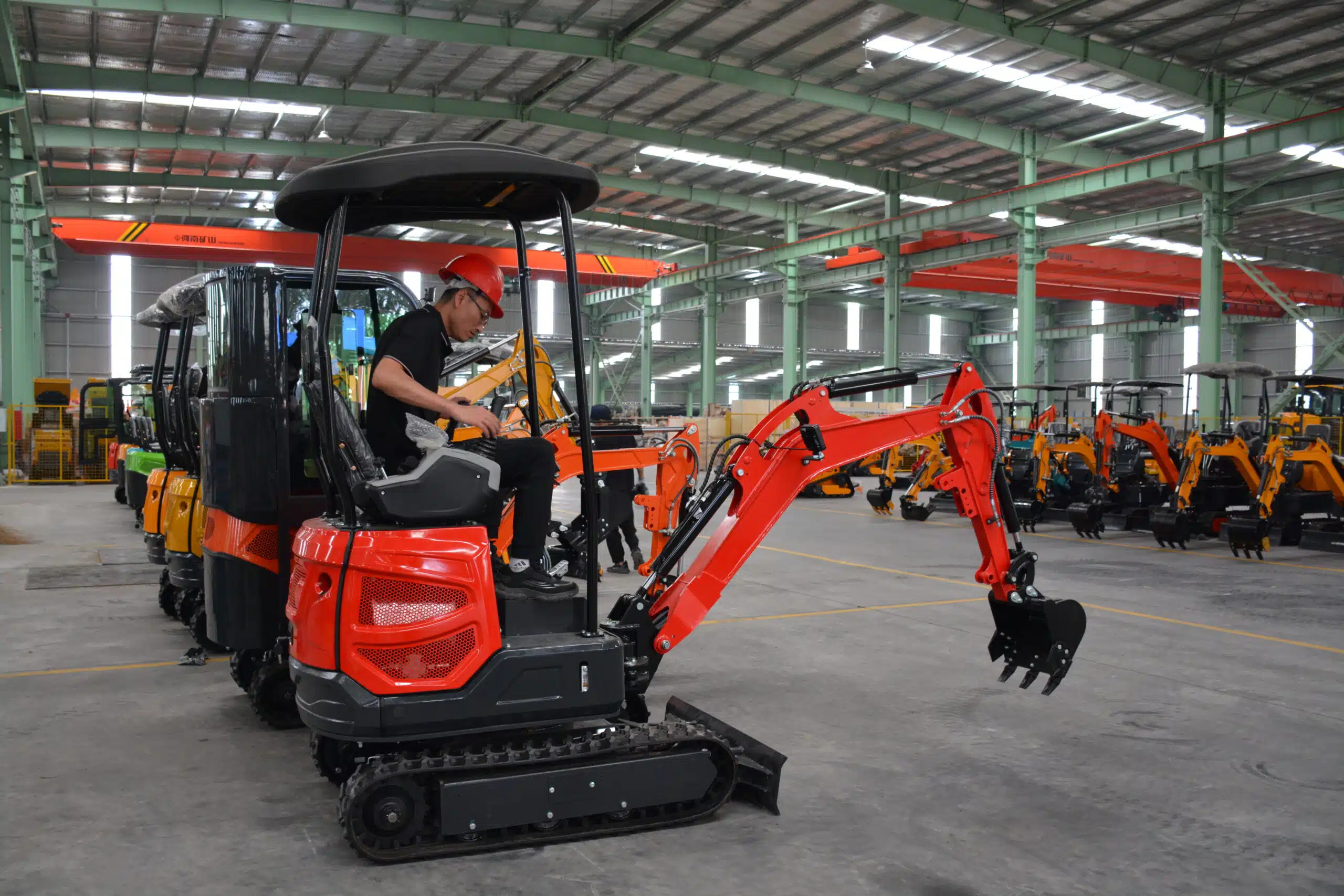
Why Machinery Maintenance Records Matter
Accurate maintenance records provide a useful history of equipment condition, servicing, repairs and component replacements.
A well-organised maintenance record should include:
- Machine make, model and identification number.
- Operating hours and service dates.
- Inspections and identified defects.
- Oil, filter and other consumable replacements.
- Repairs and replacement components.
- Technician details and work completed.
- Warranty claims and supporting documentation.
These records can support maintenance planning, equipment management and future condition assessments.
Spare Parts and After-Sales Support
Maintenance planning should account for replacement components and access to appropriate technical support.
Genuine and Approved Parts
Use components that meet the machine manufacturer's specifications and compatibility requirements.
Consumables and Filters
Plan for specified filters, lubricants, service items and other routine maintenance materials.
Wear Components
Monitor parts such as cutting edges, buckets, tyres, tracks, forks and other components subject to operating wear.
Technical Assistance
Use competent technicians for troubleshooting, repairs, servicing and specialist adjustments.
Warranty Considerations
Follow applicable warranty procedures and retain records of authorised maintenance and repairs.
Review warranty informationMaintenance Planning
Organise service requirements and parts procurement to help manage equipment downtime.
Common Machinery Maintenance Mistakes to Avoid
Ignoring Service Intervals
Delaying scheduled maintenance can increase wear and allow developing problems to go unnoticed.
Using Incorrect Lubricants
Incorrect fluid or lubricant specifications may affect component performance and service life.
Overlooking Small Leaks
Minor leaks can indicate developing defects and should be investigated rather than ignored.
Neglecting Cleaning
Accumulated dust, mud and debris can affect cooling, moving parts and inspection visibility.
Using Unqualified Repair Methods
Complex mechanical, hydraulic and electrical repairs should be handled by appropriately competent personnel.
Failing to Keep Records
Incomplete service histories make it harder to track maintenance, monitor recurring faults and plan future work.
Explore More Machinery Guides
Read our equipment buying guides to understand the specifications, applications and maintenance considerations of different machinery types.
Machinery Ownership and Support Resources
These resources provide additional information about purchasing machinery and arranging support.
Frequently Asked Questions
Find answers to common questions about machinery sourcing, availability and customer enquiries.
Read our FAQsWarranty Information
Understand manufacturer warranty conditions, coverage and after-sales assistance.
Review Warranty InformationShipping and Delivery
Review transport options, delivery arrangements and collection considerations.
Read Shipping InformationPayment Information
Understand quotations, invoices and payment arrangements for machinery purchases.
Read Payment InformationRequest a Quote
Share your equipment requirements and request a machinery quotation.
Request a Machinery QuoteContact Our Team
Discuss equipment specifications, servicing considerations and machinery requirements.
Contact Braethorn MachineryMachinery Maintenance FAQs
How often should machinery be serviced?
Service intervals depend on the machine model, manufacturer recommendations, operating hours and working conditions. Always follow the relevant maintenance manual.
What should be checked before operating machinery?
Typical checks include visible damage, leaks, fluid levels, tyres or tracks, controls, safety devices and attachments. The exact inspection should follow the machine's operator manual.
Why is preventive maintenance important?
It helps identify developing faults, supports equipment reliability, manages component wear and reduces the risk of unexpected downtime.
Can I use any hydraulic oil or engine oil?
No. Use the type, grade and specification required by the manufacturer for the specific machine and component.
Why should machinery maintenance records be kept?
Records help track operating hours, service history, repairs, replacement parts and recurring defects. They also support maintenance planning.
When should machinery be inspected by a technician?
Arrange competent technical inspection when faults, abnormal noises, leaks, warning indicators, performance changes or safety concerns are identified.
Where can I get assistance with machinery requirements?
Contact Braethorn Machinery to discuss equipment specifications, available machinery options and relevant support enquiries.
Contact our team.Keep Your Machinery Performing at Its Best
Good maintenance begins with selecting suitable equipment, following manufacturer recommendations and addressing problems promptly. Contact our team to discuss your machinery requirements and equipment options.
Explore Machinery Contact Our Team