
Compact Loaders vs Mucking Loaders: Understanding Their Differences and Applications
Explore how compact loaders and mucking loaders differ in design, operating environments, material handling capabilities and the applications they are built to support.
Choosing between a compact loader and a mucking loader requires more than comparing machine dimensions or lifting capacity. Although both equipment categories are designed to handle and move material, they serve different operating requirements and may be engineered for very different environments.
Compact loaders are generally associated with versatile material handling across construction sites, landscaping projects, agricultural operations and industrial facilities. Mucking loaders, by contrast, are commonly associated with mining and underground operations where excavated rock, ore and other material must be collected and transferred through restricted working areas.
Understanding these differences is important for contractors, mining operators, construction companies and equipment procurement teams. Selecting machinery that is not suited to the working environment can affect productivity, manoeuvrability, operational safety and overall equipment suitability.
This comparison examines the main characteristics of both machine categories, their typical applications, operating considerations and the factors buyers should assess before making a purchasing decision.
1. What Is a Compact Loader?
A compact loader is a relatively small material-handling machine designed to operate in environments where space, manoeuvrability and equipment versatility are important. Depending on its design, it may use wheels or tracks and can be configured with different attachments for lifting, carrying, pushing and moving materials.
Compact loaders are used across a broad range of industries because many models can perform several tasks through interchangeable or compatible attachments. Their applications may include moving soil, handling aggregate, transporting materials, clearing work areas and supporting landscaping or construction activities.

Common characteristics of compact loaders
- Compact dimensions: Designed to work in areas where larger loading machinery may be difficult to manoeuvre.
- Material-handling capability: Used for lifting, carrying, loading and moving materials within their rated operating limits.
- Attachment versatility: Depending on the model, compatible attachments may include buckets, forks, grapples and other working tools.
- Wheeled or tracked configurations: Different undercarriage arrangements provide options for varying terrain and surface conditions.
- Multiple industry applications: Used in construction, landscaping, agriculture, property maintenance and selected industrial operations.
The exact capabilities of a compact loader depend on its operating weight, rated capacity, hydraulic performance, dimensions, attachment system and manufacturer specifications.
Businesses evaluating this equipment category can explore the compact loaders range to review the available machinery options.
2. What Is a Mucking Loader?
A mucking loader is specialised material-handling equipment used primarily in mining and underground excavation environments. It is designed to collect and transfer broken rock, excavated material and other debris from working areas to designated transport or handling points.
The term mucking refers to the process of clearing and handling material produced during excavation or blasting operations. In underground environments, this work must often be completed within restricted spaces where conventional surface-loading machinery may not be suitable.

Common characteristics of mucking loaders
- Underground application: Designed for particular mining and underground material-handling requirements.
- Restricted-space operation: Machine dimensions and configuration are selected to suit specified underground access conditions.
- Excavated material handling: Used to collect and transfer broken rock, ore and other excavated material.
- Specialised working equipment: Loading and conveying arrangements vary by machine design and application.
- Mining-focused configuration: Equipment specifications may address underground ventilation, ground conditions, machine clearance and operating requirements.
Not all mucking loaders have the same configuration. Some are designed for particular underground mining conditions, while others may have different loading arrangements, dimensions and material-handling systems.
Review the mucking loaders category when evaluating machinery for underground material-handling applications.
3. Compact Loaders vs Mucking Loaders: The Main Differences
The most important distinction between these two categories is their intended application. Compact loaders are generally versatile machines for a range of surface-level material-handling tasks. Mucking loaders are specialised machines associated with underground excavation and mining operations.
| Comparison area | Compact loaders | Mucking loaders |
|---|---|---|
| Primary application | General material handling and loading across different industries | Handling excavated material in mining and underground environments |
| Typical working environment | Construction sites, landscaping areas, farms and industrial facilities | Underground mines, tunnels and other specified excavation environments |
| Machine configuration | Wheeled or tracked configurations, depending on the model | Specialised configurations designed for particular underground applications |
| Material handling | Soil, aggregate, construction materials and other compatible loads | Broken rock, ore and excavated material |
| Versatility | Often supports a range of compatible attachments | Generally designed around specialised mining material-handling tasks |
| Selection priorities | Capacity, dimensions, attachment compatibility and terrain | Underground clearance, access, material flow and mining-site requirements |
| Typical buyer | Contractors, landscapers, farmers and industrial operators | Mining companies, underground contractors and specialist excavation operators |
This comparison provides a general overview rather than a specification for every machine. Individual models may differ substantially, and buyers should assess the manufacturer's documentation before deciding whether a machine is suitable for a particular operation.
4. Where Are Compact Loaders Used?
Compact loaders are suited to a variety of applications where a relatively small machine can perform material-handling work efficiently. Their usefulness often comes from their dimensions, manoeuvrability and ability to operate with compatible attachments.
Construction and building projects
On construction sites, compact loaders may be used to move soil, aggregate, rubble and building materials. They can support site preparation, material distribution, loading and general site organisation, subject to machine capacity and site conditions.
Landscaping and grounds maintenance
Landscaping contractors may use compact loaders for moving topsoil, transporting materials, clearing vegetation and handling landscaping supplies. Suitable attachments can broaden the range of tasks a machine performs.
Agriculture and farm operations
Compact loaders can support selected farm activities, including moving feed, handling materials, transporting supplies and maintaining working areas. The correct configuration depends on the loads involved, ground conditions and available attachments.
Industrial and warehouse environments
Some compact loaders are used for moving bulk materials, maintaining yards and supporting operations where their dimensions and rated capacity suit the facility's layout.
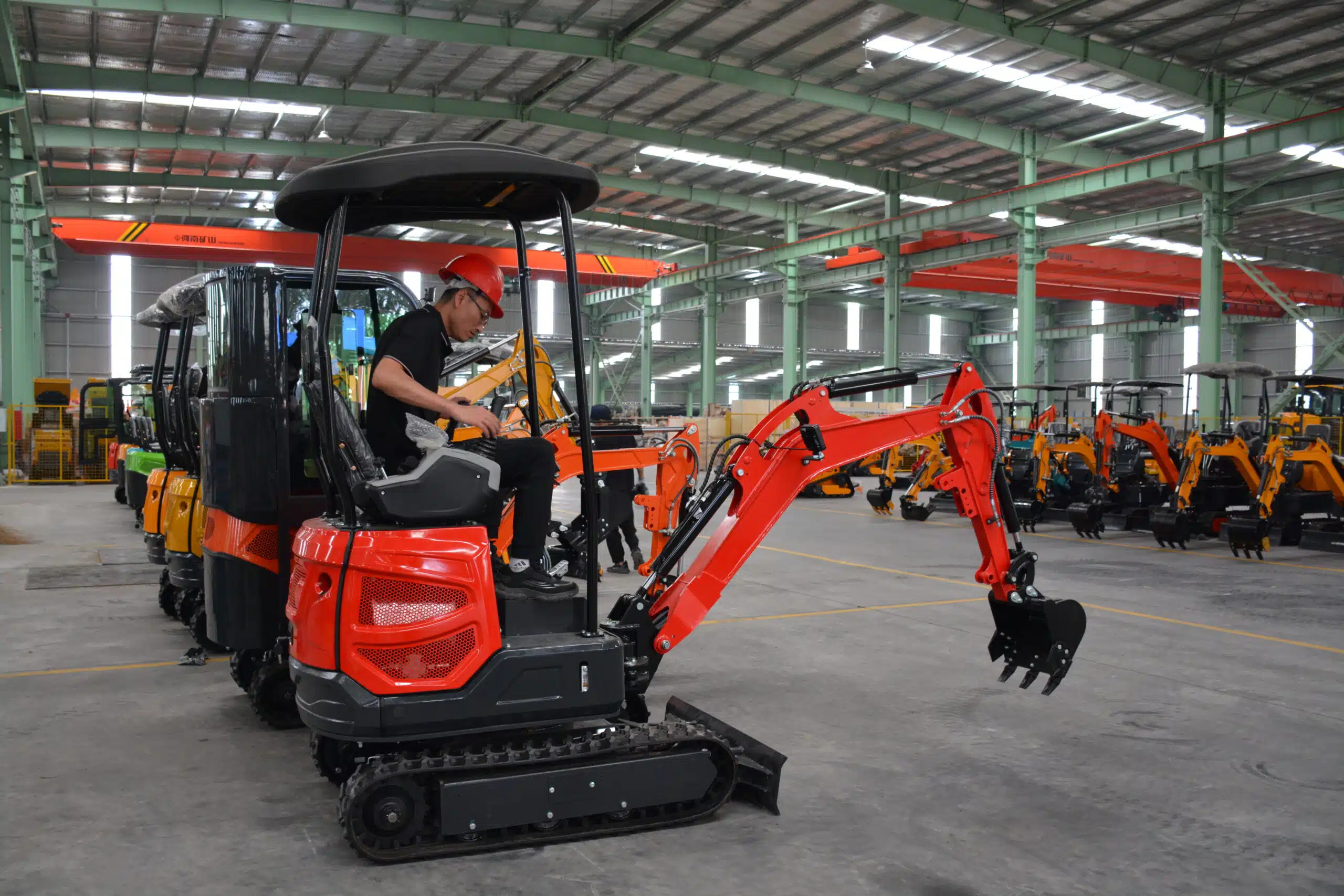
When assessing a machine for these applications, review the compact loader options and compare the intended work with the manufacturer's rated specifications.
5. Where Are Mucking Loaders Used?
Mucking loaders are associated with specialised underground operations where excavated material must be cleared from a working face or transferred through an established material-handling route.
Underground mining
In underground mining, mucking loaders can be used to collect and transfer broken rock and ore after excavation or blasting activities. The machine must suit the dimensions of the working area, the material being handled and the mine's operating arrangements.
Tunnel excavation
Some mucking equipment is used in tunnel construction and excavation projects where material must be removed from confined working areas. The machine configuration must be suitable for tunnel dimensions, ground conditions and the planned transport system.
Underground material transfer
Depending on the design, mucking loaders may transfer material to haulage equipment, conveyors or designated collection points. The loading arrangement must be compatible with the wider material-handling process.
Specialised excavation operations
Other underground excavation projects may require specialised mucking machinery where conventional loaders cannot meet the access or operating requirements.
These applications demand careful assessment of underground conditions, ventilation requirements, clearance dimensions, equipment compatibility and site safety procedures.
Explore underground mucking loaders when evaluating machinery designed for these specialist material-handling environments.
6. Why the Operating Environment Matters
The environment in which a machine operates is one of the most important factors in equipment selection. A machine that performs effectively in an open construction yard may not be appropriate for underground mining conditions.
Space and access restrictions
Compact loaders are available in configurations intended for confined surface-level areas, but underground operations introduce different restrictions. Tunnel width, height, turning space, gradients and access routes must all be considered when selecting mucking equipment.
Ground and surface conditions
Surface construction sites may include soil, gravel, concrete, mud and uneven terrain. Underground environments may involve loose rock, abrasive material, confined working areas and other demanding ground conditions.
Machine traction, undercarriage design, ground clearance and operating stability should be assessed against the actual site.
Ventilation and emissions
Underground equipment must be assessed in relation to the mine's ventilation arrangements and applicable requirements for emissions and machinery operation. Engine type, exhaust treatment, heat generation and ventilation capacity can influence equipment suitability.
Do not assume that a diesel machine suitable for outdoor use is automatically appropriate for an underground environment. Confirm the machine's approval, specifications and compliance with the site's operating requirements.
Material characteristics
Soil, aggregate, loose construction debris, broken rock and ore have different handling characteristics. Material density, particle size, moisture content and loading conditions can influence the required machine capacity and loading arrangement.
7. What to Consider Before Buying a Compact Loader
Businesses evaluating compact loaders should establish the machine's primary applications before comparing models. This helps ensure that the selected configuration is suitable for the expected workload.
Rated operating capacity
Review the rated operating capacity and any applicable load limitations. Consider the weight and characteristics of the materials being handled, along with the effect of the selected attachment.
Wheeled or tracked configuration
Wheeled loaders and tracked loaders offer different operating characteristics. Tyres may be suitable for particular firm surfaces and travel requirements, while tracks may be considered for selected applications involving softer or uneven ground. Actual suitability depends on the model and terrain.
Attachment compatibility
Determine whether the loader supports the attachments required for the intended work. Check mounting arrangements, hydraulic flow, pressure requirements, electrical connections and manufacturer-approved configurations.
Machine dimensions
Assess machine height, width, length, turning requirements and access restrictions. These measurements should be compared with the narrowest working areas on the site.
Maintenance and parts support
Consider service access, routine maintenance requirements, replacement components and the availability of technical support. These factors influence the practical management of the equipment throughout its working life.
8. What to Consider Before Buying a Mucking Loader
Purchasing a mucking loader requires a more specialised assessment because underground equipment must be matched closely to the mining or excavation environment.
Underground dimensions and clearance
Confirm the machine's overall height, width, length, turning requirements and operating clearance. These dimensions must suit the mine's tunnels, access routes and working areas.
Loading and material-transfer capacity
Evaluate the machine's loading arrangement and material-handling capability against the expected material type, loading cycle and transfer system. Consider how the equipment will interact with haulage vehicles, conveyors or other downstream systems.
Power system and ventilation requirements
Confirm the power-system configuration and its suitability for the underground operating environment. Assess emissions, ventilation requirements, heat output and any applicable site or regulatory restrictions.
Ground conditions and operating gradients
Review the expected ground conditions, floor stability, gradients and travel routes. The machine must be suitable for the working conditions identified by the mine operator and equipment supplier.
Maintenance access and technical support
Underground equipment may require specialised inspection and repair procedures. Assess access to replacement components, qualified technicians, service documentation and the maintenance arrangements available at the operating site.
9. Which Machine Is Right for Your Operation?
The correct choice depends on the work being performed. Rather than selecting a machine based on its name or apparent size, begin with the operating environment and the material-handling task.

Choose a Compact Loader When:
- The work involves general surface-level material handling.
- The machine needs to support different tasks using compatible attachments.
- Manoeuvrability is important on construction or landscaping sites.
- The operating environment includes farms, yards or industrial facilities.
- The required loads are within the machine's rated capacity.
Consider a Mucking Loader When:
- The operation involves underground mining or excavation.
- Broken rock, ore or excavated material must be cleared.
- The working area has specific underground clearance requirements.
- The equipment must integrate with a mine's material-transfer system.
- The machine configuration meets the site's ventilation and safety requirements.
These are general selection guidelines. The final decision should be based on the specific machine specifications, operating conditions and requirements of the project.
10. Assessing Ownership and Operating Requirements
Initial purchase price should not be the only consideration when comparing equipment. The total cost of ownership includes the resources required to operate, maintain, transport and support the machine throughout its service life.
For compact loaders, businesses may need to consider:
- Purchase cost and the selected machine configuration.
- Attachments and additional equipment required for the planned work.
- Fuel or energy consumption under expected operating conditions.
- Routine servicing, replacement parts and wear components.
- Operator training and site-specific operating requirements.
- Transportation, storage and equipment insurance arrangements.
For mucking loaders, additional considerations may include:
- Underground equipment specifications and site compatibility.
- Specialised maintenance and technical support requirements.
- Underground transport, access and installation arrangements.
- Ventilation and other mine infrastructure requirements.
- Integration with the mine's loading and material-transfer process.
- Replacement components and specialist servicing resources.
Comparing these requirements helps buyers assess whether a proposed machine represents a suitable investment for the actual operation.
11. Maintenance Considerations for Both Machine Types
Although compact loaders and mucking loaders have different applications, both require appropriate inspection, servicing and maintenance. The maintenance programme must reflect the machine's design, operating environment and manufacturer's recommendations.
Routine inspections
Operators and maintenance personnel should follow the prescribed inspection procedures. These may include checking fluid levels, visible leaks, tyres or tracks, attachment connections, controls, warning indicators and other relevant components.
Hydraulic systems
Hydraulic components should be inspected for visible damage, leakage and abnormal operating behaviour. Use the specified fluids and follow the manufacturer's filtration and servicing procedures.
Wear components
Loading tools, buckets, cutting edges, pins, bushes, tyres, tracks and other working components may experience wear according to the materials and conditions encountered. Inspection intervals should reflect the operating environment.
Service records
Maintain records of operating hours, inspections, repairs and replacement components. Accurate documentation helps businesses plan maintenance and monitor equipment condition.
For more detailed maintenance principles, read our essential machinery maintenance article. The guide covers inspections, fluids, hydraulic systems, servicing and equipment care.
12. Making an Informed Equipment Selection
Compact loaders and mucking loaders both support material-handling operations, but they are designed around different working environments and operational requirements.
Compact loaders offer versatility across construction, landscaping, agriculture and industrial applications. Mucking loaders serve more specialised roles in underground mining and excavation, where access restrictions, material transfer and site-specific operating requirements influence machine design.
The right choice depends on the actual task, the materials being handled, the operating environment, required capacity and the technical specifications of the equipment.
Businesses should assess these factors before purchasing, ensuring that the selected machinery is suitable for its intended application and can be supported throughout its working life.
Braethorn Machinery provides access to machinery categories for businesses and operators assessing different equipment requirements. Explore the machinery range to discover available equipment categories and discuss your intended application.
Comparing Compact Loaders and Mucking Loaders?
Tell Braethorn Machinery about your project, operating environment and material-handling requirements. Our team can discuss your equipment enquiry and the available options relevant to your application.
Contact Our TeamFrequently Asked Questions
What is the main difference between a compact loader and a mucking loader?
A compact loader is generally used for versatile material handling across surface-level applications such as construction, agriculture and landscaping. A mucking loader is specialised equipment commonly used to collect and transfer excavated material in underground mining and excavation environments.
Are compact loaders suitable for underground mining?
Suitability cannot be assumed. Underground operations have specific requirements relating to machine dimensions, ventilation, emissions, ground conditions and site safety. Any proposed equipment must be assessed against the mine's requirements and applicable regulations.
What materials can mucking loaders handle?
Depending on their design and rated specifications, mucking loaders are used to handle broken rock, ore and other excavated materials in mining and underground operations.
Are compact loaders available with different attachments?
Many compact loaders support compatible attachments such as buckets, forks and other working tools. Attachment availability and compatibility depend on the specific model, mounting arrangement and hydraulic requirements.
What should I consider when buying an underground mucking loader?
Important considerations include tunnel dimensions, machine clearance, loading capacity, material-transfer arrangements, ground conditions, ventilation requirements, maintenance access and site-specific safety requirements.
Can compact loaders be used for construction projects?
Yes. Compact loaders are used in a range of construction applications, including moving materials, supporting site preparation and handling compatible loads. Their suitability depends on machine capacity, configuration and working conditions.
How do I compare the operating costs of these machines?
Assess purchase price, operating requirements, maintenance, replacement parts, attachments, transportation, servicing and any additional infrastructure or site requirements. The comparison should reflect the actual application rather than machine price alone.
Where can I find compact loaders and mucking loaders?
You can explore Braethorn Machinery's compact loaders and mucking loaders categories to review the relevant equipment ranges and submit an enquiry.
Explore Related Machinery and Resources
Continue exploring Braethorn Machinery's equipment categories and educational resources:


