
The Essential Guide to Machinery Maintenance: Improving Performance and Equipment Lifespan
Discover practical machinery maintenance principles, from routine inspections and servicing to component care and storage, that help businesses protect their equipment investments.
Machinery maintenance is a fundamental part of responsible equipment ownership. Whether operating excavators on construction sites, forklifts in warehouses, tractors on agricultural land or loaders in industrial environments, consistent maintenance helps keep equipment in suitable working condition.
Heavy machinery operates under demanding conditions. Dust, vibration, heavy loads, moisture, temperature changes and continuous operation can all place stress on mechanical, hydraulic and electrical components. Without appropriate inspection and servicing, minor issues may develop into more serious mechanical problems.
For businesses that depend on machinery to complete daily operations, unexpected downtime can disrupt schedules, affect productivity and create additional costs. A structured maintenance programme helps organisations identify developing issues, plan servicing and make better-informed decisions about equipment condition.
This guide explains the main principles of machinery maintenance, the components that require attention, the differences between preventive and corrective maintenance, and the practical steps businesses can take to manage their equipment more effectively.
1. Why Machinery Maintenance Matters
Machinery maintenance is not simply a response to equipment failure. It is an ongoing process of inspecting, servicing, monitoring and maintaining equipment in accordance with its intended application and manufacturer recommendations.
Well-managed maintenance can support several important operational objectives:
- Equipment reliability: Routine checks help identify developing problems before they cause unexpected interruptions.
- Operational performance: Correct fluid levels, properly adjusted components and suitable operating conditions support efficient machine operation.
- Component protection: Appropriate lubrication, cleaning and servicing help reduce avoidable wear.
- Safety management: Inspections can identify visible defects, damaged components and conditions that require attention before further operation.
- Cost planning: Scheduled servicing makes maintenance requirements easier to anticipate and budget for.
- Asset management: Accurate service records help businesses understand equipment condition and maintenance history.
2. Understanding the Main Types of Machinery Maintenance
Different maintenance strategies serve different operational purposes. Understanding these approaches helps businesses establish a programme that reflects the equipment they operate and the demands placed on it.
Preventive maintenance
Preventive maintenance involves carrying out planned inspections, servicing and component replacement at defined intervals. These intervals may be based on operating hours, calendar periods, manufacturer recommendations or particular operating conditions.
Typical preventive maintenance activities include changing fluids and filters, lubricating specified components, inspecting hoses and belts, checking tyre or track condition and testing relevant safety systems.
The objective is to maintain equipment according to an established schedule rather than waiting for a component to fail.
Corrective maintenance
Corrective maintenance is performed after a defect or fault has been identified. It may involve repairing a damaged component, replacing a failed part, adjusting a mechanism or addressing an identified performance issue.
Some corrective work is relatively minor, while other repairs may require specialist technicians, replacement components and equipment downtime. Promptly investigating unusual noises, leaks, warning indicators or changes in machine behaviour can help prevent an identified issue from being overlooked.
Condition-based maintenance
Condition-based maintenance uses information about the actual condition of equipment to determine when maintenance is necessary. Depending on the machinery and available monitoring systems, this may include fluid analysis, temperature monitoring, vibration assessment, diagnostic readings and component inspections.
This approach can help maintenance teams focus attention on equipment showing signs of deterioration, although it requires suitable monitoring methods and competent interpretation of the results.
Predictive maintenance
Predictive maintenance uses condition information and analysis to estimate when a component may require attention. More advanced programmes may use sensors, machine data and diagnostic systems to identify patterns that indicate developing faults.
Predictive maintenance can be particularly relevant to organisations operating larger machinery fleets, but its value depends on the availability and quality of equipment data, monitoring technology and technical expertise.
| Maintenance approach | When it is used | Main objective |
|---|---|---|
| Preventive | At planned service intervals | Reduce avoidable deterioration through scheduled care |
| Corrective | After a defect or fault is identified | Restore the required operating condition |
| Condition-based | When inspections or monitoring indicate a need | Respond to actual equipment condition |
| Predictive | When analysis indicates a likely future maintenance need | Anticipate potential component problems |
3. Daily and Pre-Operation Machinery Inspections
Routine inspections are an important first step in maintaining machinery. A pre-operation check can help operators identify visible defects or abnormal conditions before starting work.
The exact inspection procedure depends on the machine. However, many types of construction, agricultural and material-handling equipment require attention to several common areas.
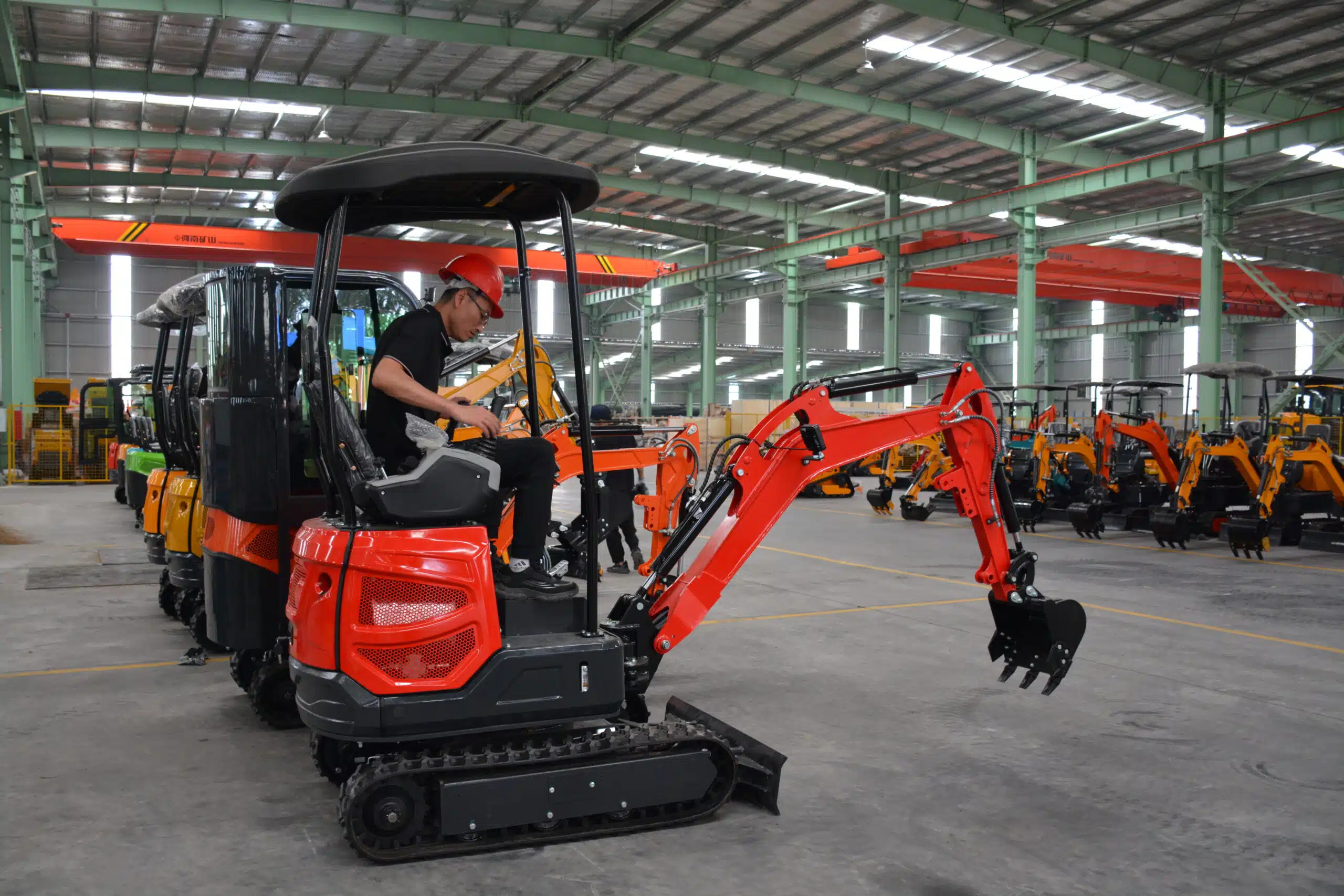
Check for visible leaks and damage
Look around the machine for signs of fluid leakage, damaged hoses, loose fittings, cracked components and visible structural damage. Pay particular attention to areas around hydraulic connections, the engine compartment and other fluid-carrying systems.
Inspect tyres, tracks and undercarriage components
Tyred machinery should be checked for visible damage, unusual wear and appropriate inflation in accordance with the manufacturer's requirements. Tracked equipment requires attention to track condition, tension, rollers, idlers and the undercarriage.
For machines such as excavators and bulldozers, undercarriage condition is particularly important because these components operate in direct contact with the ground and can be exposed to abrasive materials.
Check fluid levels
Where specified in the operator's manual, inspect engine oil, coolant, hydraulic fluid and other relevant fluid levels. Use the correct checking procedure and specified fluid types. Do not operate machinery with fluid levels outside the manufacturer's permitted range.
Inspect attachments and working equipment
Check buckets, forks, blades, cutting equipment, couplers and other attachments for visible damage, excessive wear, secure connections and correct locking arrangements.
Check lights, controls and safety equipment
Inspect required lights, mirrors, alarms, indicators, seat belts, access steps and other safety-related equipment. Operators should also confirm that controls respond correctly and that any warning indicators are understood before operating the machine.
4. Engine Maintenance and Fluid Management
The engine is one of the most important systems in many types of machinery. Its performance and condition depend on suitable lubrication, cooling, filtration and fuel-system operation.
Engine oil and lubrication
Engine oil reduces friction between internal moving components and helps manage heat and contaminants. Oil condition and replacement intervals should be assessed according to the manufacturer's service schedule and the machine's operating conditions.
Use the specified oil grade and ensure that the correct procedure is followed when checking levels or performing an oil change.
Air filtration
Machinery used on construction sites, agricultural land and industrial yards may operate in dusty environments. Air filters help prevent airborne contaminants from entering the engine.
Inspect filter condition according to the service schedule. Clean or replace filters only in accordance with the manufacturer's instructions. Incorrect handling can allow contaminants to enter the intake system.
Cooling systems
Cooling systems help maintain suitable engine operating temperatures. Inspect coolant levels, hoses, radiator condition and other relevant components according to the operator's manual.
Radiator cores and cooling surfaces may accumulate dust, grass, leaves and other debris. Keep these areas clean using an appropriate method that does not damage fins or other components. Never remove a pressurised cooling-system cap while the system is hot.
Fuel-system care
Use fuel that meets the manufacturer's specifications. Inspect relevant filters, lines and connections for signs of leakage or deterioration. Water or contamination in fuel can affect engine operation and may damage fuel-system components.
Where water separators or fuel filters are fitted, follow the manufacturer's inspection and replacement requirements.
5. Hydraulic System Maintenance
Hydraulic systems are central to the operation of many machines, including excavators, loaders, forklifts and certain agricultural equipment. They transmit power through pressurised fluid to operate cylinders, motors and other hydraulic components.
Because hydraulic systems work under pressure, correct maintenance is essential for both equipment performance and operator safety.
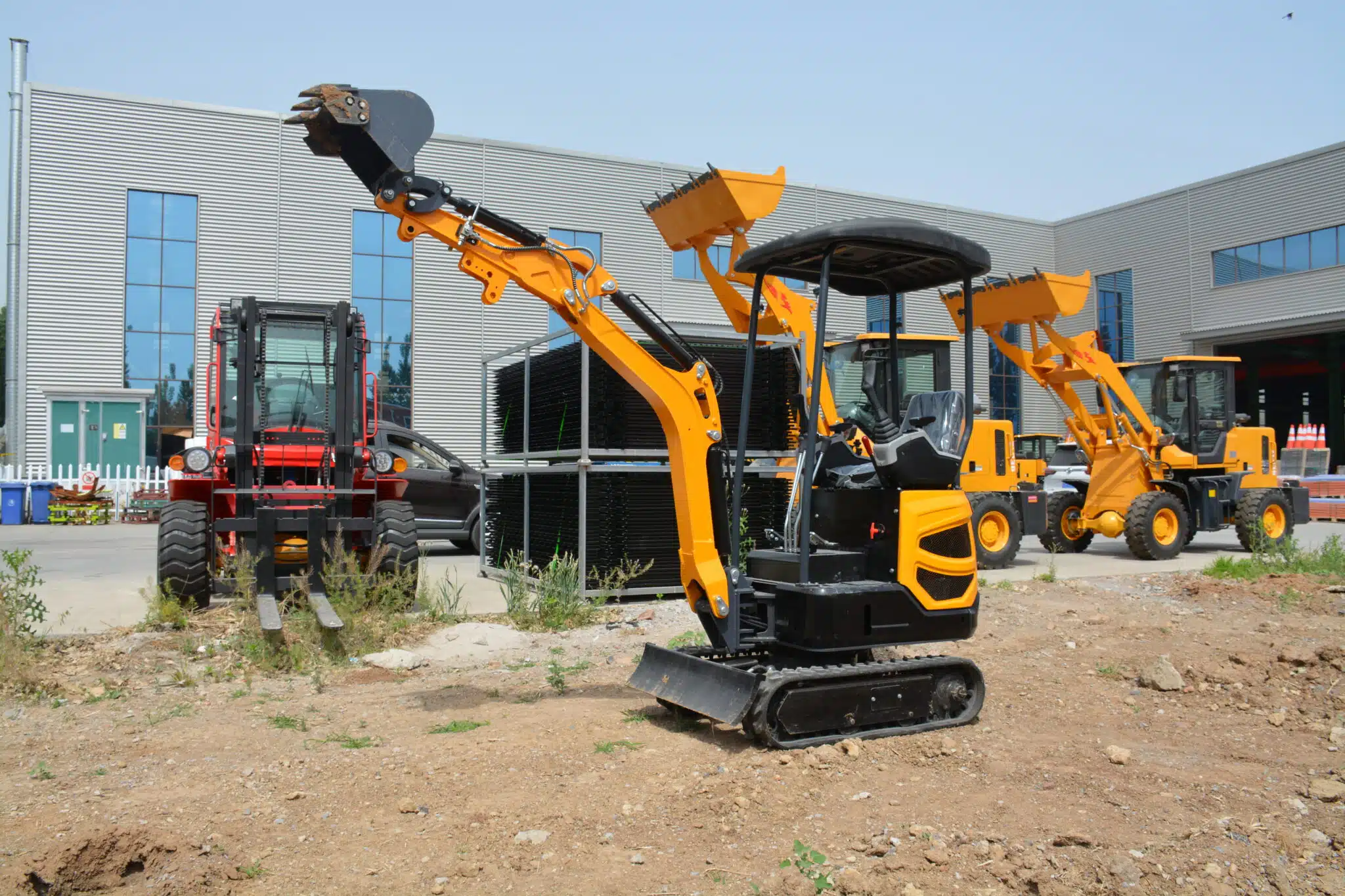
Monitor hydraulic fluid condition
Use the fluid type and specification recommended by the manufacturer. Follow the correct procedure for checking hydraulic fluid levels, as some machines require particular attachment positions or operating temperatures.
Inspect hoses and connections
Look for visible cracking, abrasion, swelling, damaged protective sleeves, loose connections and signs of leakage. Hydraulic hoses should be replaced when their condition or service requirements indicate that they are no longer suitable for use.
Keep hydraulic systems clean
Contamination can affect hydraulic components and contribute to premature wear. Use clean equipment when handling hydraulic fluid and follow the manufacturer's filtration and fluid-replacement procedures.
Check cylinders and operating performance
Inspect cylinder rods and seals for visible damage or leakage. Changes in lifting speed, movement, pressure or attachment response may indicate a problem that requires professional assessment.
6. Undercarriage, Tyres and Moving Components
Wheels, tyres, tracks and undercarriage assemblies influence how machinery moves, carries loads and interacts with the working surface. Their maintenance requirements vary according to machine design and operating conditions.
Tracked machinery
Tracked equipment should be inspected for damage, abnormal wear, loose or damaged track components and correct track tension. Dirt, stones and compacted material should be removed where the manufacturer's maintenance instructions require it.
Incorrect track tension can increase wear on related components. Use the specified inspection and adjustment procedure rather than relying on visual judgement alone.
Tyred machinery
Inspect tyres for cuts, punctures, uneven wear, sidewall damage and other visible defects. Check inflation pressures against the machine manufacturer's specifications and the intended application.
For forklifts, tyre condition can influence stability, traction and handling. Tyre inspections should form part of the routine checks carried out before equipment is put into operation.
Moving parts and joints
Pins, bushes, joints, bearings and other moving components may require scheduled lubrication and inspection. Look for excessive play, unusual movement, damaged seals or signs of abnormal wear.
Where replacement is necessary, use parts that meet the machine's specified requirements.
7. Electrical Systems, Batteries and Controls
Modern machinery may include electrical systems responsible for starting, lighting, monitoring, safety functions and electronic machine controls. A problem in one area can affect the operation of other systems.
Battery condition
Inspect the battery casing, terminals and connections for visible damage, corrosion or looseness. Follow the manufacturer's instructions for battery testing, charging and replacement.
Wiring and electrical connections
Check accessible wiring for abrasion, exposed conductors, damaged insulation and loose connectors. Electrical repairs should be carried out by appropriately qualified personnel using suitable parts and procedures.
Warning indicators and diagnostic systems
Do not ignore warning lights, fault codes or unusual dashboard messages. Consult the operator's manual and use approved diagnostic procedures to identify the cause.
Repeatedly resetting a warning without investigating its cause can allow an underlying fault to remain unresolved.
8. Cleaning and Proper Machinery Storage
Cleaning is an important part of equipment care. Soil, dust, mud, leaves, chemicals and other materials can accumulate around components and make it more difficult to identify leaks, cracks or signs of wear.
After operation, remove accumulated material using cleaning methods suitable for the machine. Pay particular attention to cooling areas, steps, access platforms, attachment connections and the undercarriage where applicable.
Protect exposed components
Keep protective covers and guards in place as specified by the manufacturer. Avoid directing high-pressure water at electrical connectors, seals, bearings or other areas where water penetration could cause damage.
Choose suitable storage conditions
Where possible, store equipment in a secure, suitable location protected from unnecessary exposure to weather, moisture and environmental contamination.
For machines that will remain unused for extended periods, follow the manufacturer's storage and preservation instructions. These may include battery care, fluid checks, protection of exposed components and periodic inspections.
Prepare seasonal machinery for storage
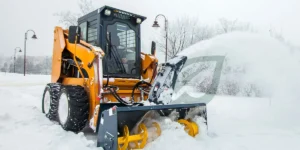
Equipment used for particular seasons should be cleaned, inspected and maintained before storage. This is particularly relevant to snow removal equipment, leaf collection machinery and other specialised attachments.
Explore our snow removal equipment and leaf collection equipment categories when reviewing the machinery used for seasonal property maintenance.
9. Building an Effective Machinery Maintenance Schedule
A maintenance schedule provides a structured record of the inspections and servicing required for each machine. Rather than relying on memory, businesses can use documented procedures to track operating hours, service intervals, identified defects and completed maintenance work.
The schedule should be based on the manufacturer's requirements and adapted to the actual workload and operating environment.
| Maintenance stage | Examples of checks | Planning consideration |
|---|---|---|
| Before operation | Visible damage, leaks, tyres or tracks, fluid levels and safety equipment | Operator inspection requirements |
| During operation | Warning indicators, unusual sounds, temperature changes and abnormal movement | Monitor machine behaviour and stop if unsafe conditions develop |
| Scheduled servicing | Oil, filters, lubrication and specified component inspections | Manufacturer-defined hours or calendar intervals |
| Periodic technical inspection | Hydraulic systems, electrical components, structural condition and wear items | Competent inspection and repair planning |
| Before long-term storage | Cleaning, inspection and prescribed preservation procedures | Storage conditions and expected period of inactivity |
For organisations operating multiple machines, a central maintenance register can help identify upcoming service requirements and track equipment condition across the fleet.
What a maintenance record should contain
- Machine make, model and identification details.
- Operating hours or relevant usage readings.
- Date and type of each inspection or service.
- Fluids, filters and replacement parts used.
- Faults, defects and observations recorded by operators or technicians.
- Repairs completed and outstanding maintenance requirements.
- Next scheduled service or inspection date.
10. Maintenance Considerations Across Different Machinery Types
Although many machines share common maintenance principles, each equipment category has its own components, operating demands and inspection priorities.

Excavators
Maintenance priorities include the engine, hydraulic system, boom and arm components, bucket connections, track assemblies and undercarriage condition. Inspect pins, bushes, hoses and attachment points according to the service schedule.
Explore excavators
Forklifts
Pay attention to tyres, forks, mast assemblies, lifting chains, hydraulic systems, brakes, steering and safety devices. Electric and diesel models have different power-system maintenance requirements.
Explore forklifts
Mini Tractors
Inspect engine systems, cooling components, tyres, steering, brakes, transmission and any fitted attachments. The maintenance requirements depend on the tractor configuration and its agricultural or property-maintenance applications.
Explore mini tractors
Bulldozers
Undercarriage wear, track condition, blade connections, hydraulic components, cooling systems and structural inspections are important parts of bulldozer maintenance.
Explore bulldozersFor additional information about equipment applications and selection, visit our machinery range and browse the relevant equipment categories.
11. Warning Signs That Machinery May Need Attention
Operators and maintenance teams should be familiar with changes in machine behaviour. Recognising unusual conditions early can help ensure that defects are investigated before they become more serious.
- Unusual noises: Knocking, grinding, squealing or unexpected vibration may indicate a mechanical issue.
- Fluid leakage: Oil, coolant, fuel or hydraulic fluid around the machine requires investigation.
- Changes in operating performance: Reduced lifting capability, sluggish movement or inconsistent response may indicate a system problem.
- Abnormal temperature: Unexpected engine or hydraulic temperatures should be investigated in accordance with the operator's manual.
- Warning lights or fault codes: Dashboard warnings and diagnostic messages should be addressed rather than ignored.
- Visible structural damage: Cracks, deformation, loose fasteners or damaged attachments require appropriate assessment.
- Excessive wear: Unusual tyre, track, chain or component wear may indicate incorrect adjustment or operating conditions.
12. Common Machinery Maintenance Mistakes to Avoid
Even businesses with established maintenance procedures can encounter problems when inspections and servicing are not carried out consistently.
Ignoring small defects
Minor leaks, loose fittings and unusual noises should not automatically be dismissed. Record and investigate developing issues according to their severity and the manufacturer's guidance.
Using incorrect fluids or replacement parts
Substituting an unsuitable oil, filter, coolant or component can affect machine performance and reliability. Always verify the required specification and part compatibility.
Overlooking operator feedback
Operators spend considerable time working with machinery and may notice changes in handling, sound or performance. Their observations should form part of the maintenance reporting process.
Missing scheduled service intervals
Maintenance schedules should be monitored and updated as operating hours accumulate. Delaying required servicing can increase the risk of avoidable component deterioration.
Using unqualified personnel for specialist repairs
Some maintenance tasks require specialist tools, technical knowledge and safety procedures. Hydraulic, electrical, structural and complex mechanical repairs should be assigned to suitably qualified or competent personnel.
13. Protecting Your Machinery Investment Through Consistent Maintenance
Machinery maintenance is an essential part of managing construction, agricultural, industrial and material-handling equipment. A consistent approach to inspections, servicing, lubrication, cleaning and component monitoring can help businesses maintain equipment condition and plan maintenance requirements more effectively.
The most effective programme is one that reflects the manufacturer's recommendations, the machine's operating hours, the conditions in which it works and the needs of the business using it.
From excavators and forklifts to tractors, bulldozers and compact loaders, every machine requires appropriate care. Understanding those requirements helps operators and equipment owners make more informed decisions throughout the ownership cycle.
Braethorn Machinery provides access to machinery categories for businesses and operators evaluating equipment for different applications. Explore our machinery range to discover the available categories and discuss your equipment requirements.
Looking for Machinery or Equipment Support?
Whether you are assessing equipment for a new operation or reviewing your machinery requirements, contact Braethorn Machinery to discuss the intended application, specifications and available options.
Contact Our TeamFrequently Asked Questions About Machinery Maintenance
How often should heavy machinery be serviced?
Service intervals depend on the machine, manufacturer, model, operating hours and working conditions. Follow the operator's manual and maintenance schedule, and account for any additional inspections required under demanding operating conditions.
What is preventive machinery maintenance?
Preventive maintenance involves planned inspections, servicing and component replacement at specified intervals. Its purpose is to maintain equipment condition and reduce avoidable deterioration.
What should be checked before operating machinery?
Pre-operation checks commonly include visible leaks or damage, fluid levels, tyres or tracks, attachments, controls, warning indicators and safety equipment. The exact procedure should follow the machine's operator's manual.
Why is hydraulic system maintenance important?
Hydraulic systems operate lifting, movement and other machine functions. Correct fluid specifications, clean fluid, suitable filtration and regular inspection of hoses and connections help maintain system condition.
What are the signs that machinery needs maintenance?
Potential warning signs include unusual noises, leaks, excessive vibration, abnormal temperatures, reduced performance, warning indicators and visible component damage. These conditions should be investigated according to their severity.
Why should machinery maintenance records be kept?
Maintenance records help track service history, operating hours, repairs, replacement parts and upcoming inspections. They also support maintenance planning and equipment management.
Can machinery maintenance improve equipment lifespan?
Appropriate maintenance helps manage wear, identify defects and maintain equipment in accordance with manufacturer requirements. Actual service life also depends on design, operating conditions, workload, maintenance quality and repair history.
Should businesses carry out machinery repairs themselves?
Routine checks may be performed by trained operators where permitted by the manufacturer. Specialist repairs involving hydraulics, electrical systems, structural components or complex mechanical systems should be assigned to appropriately competent personnel.
Explore Related Machinery and Resources
Continue exploring Braethorn Machinery's equipment categories and practical resources: